
15 Most Popular Orchid Species You Can Grow at Home (With Care Tips)
Orchids have a reputation for being dramatic, expensive, and “hard to grow.” But here’s the truth: many orchid species are surprisingly easy — even for beginners.

With over 25,000 natural orchid species in the world, orchids are one of the largest flowering plant families on earth. The trick isn’t growing orchids… it’s choosing the right species for your home environment.
Below are the most popular orchid species that grow beautifully indoors — plus realistic care tips based on what actually works in home conditions.
| Orchid | Difficulty | Light Needs |
|---|---|---|
| Phalaenopsis | Easy | Low–Medium |
| Cattleya | Medium | Bright |
| Dendrobium | Medium | Bright |
| Oncidium | Easy–Medium | Medium |
| Vanda | Hard | Very Bright |
| Paphiopedilum | Easy | Low |
1. Phalaenopsis (Moth Orchid) – Best for Beginners


The most beginner-friendly orchid species is the Phalaenopsis, commonly called the Moth Orchid.
If you’ve ever bought an orchid from a supermarket or gift shop, it was probably this one.
Why it’s popular:
- Blooms last 2–3 months
- Tolerates average indoor humidity
- Does well in bright indirect light
- Very forgiving compared to other orchids
Care basics:
- Light: Bright, indirect sunlight (east-facing window is ideal)
- Water: Once weekly when bark dries out
- Soil: Orchid bark mix (never regular potting soil)
If you’re new to orchids, start here.
2. Cattleya (Corsage Orchid) – Big, Fragrant Blooms


The glamorous Cattleya is famous for its bold, ruffled flowers and sweet fragrance.
These are the orchids traditionally used in corsages.
Best for: Bright homes with good airflow.
Care basics:
- Light: Bright filtered sunlight
- Water: Allow bark to dry between watering
- Bonus: They love warmth
If you want dramatic, show-stopping flowers, this species delivers.
3. Dendrobium – Elegant and Long-Lasting

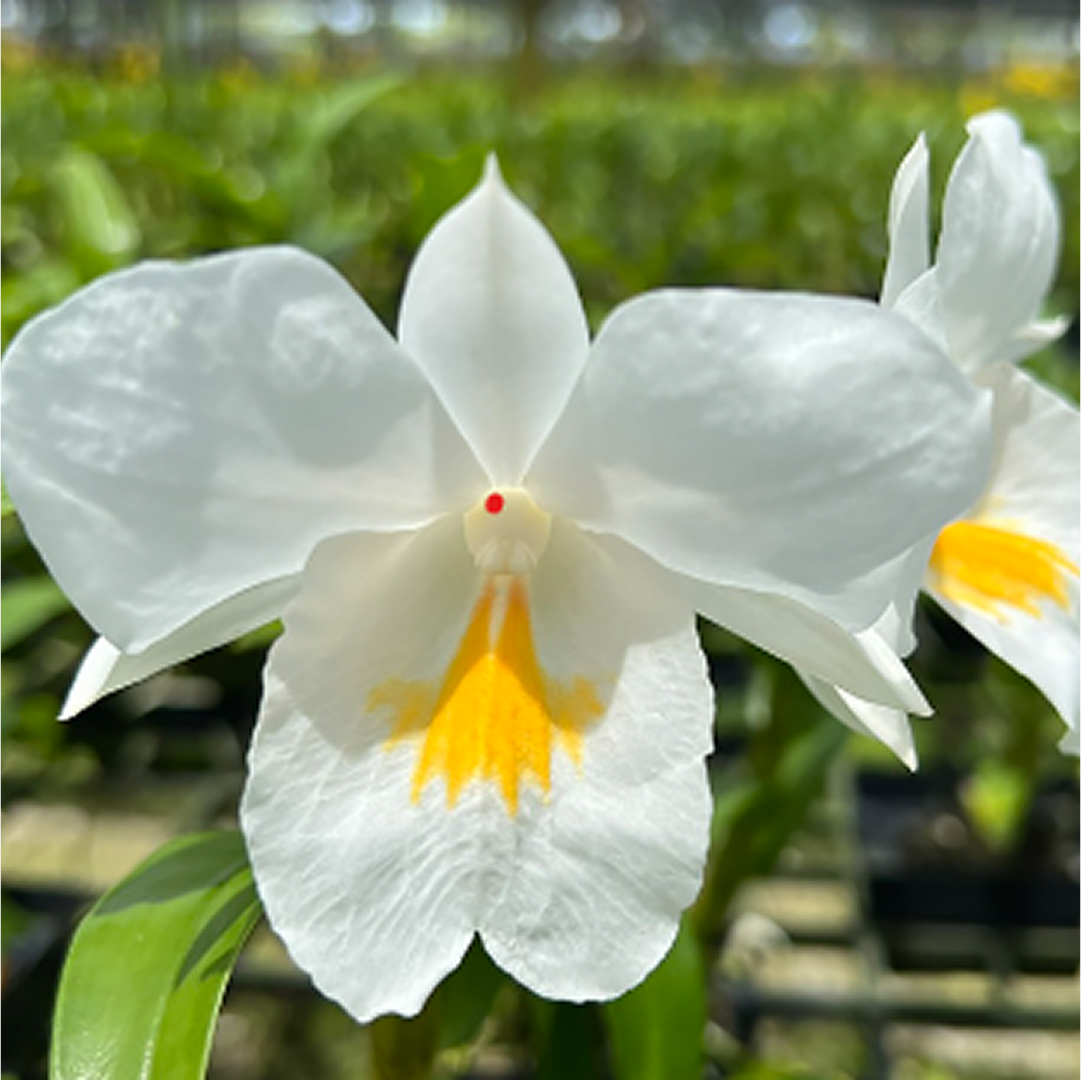


The diverse Dendrobium group includes over 1,000 species.
They’re known for tall cane-like stems and clusters of elegant flowers.
Why people love them:
- Long blooming period
- More compact than they look
- Some varieties rebloom easily
They prefer slightly brighter conditions than Phalaenopsis.
4. Oncidium (Dancing Lady Orchid)

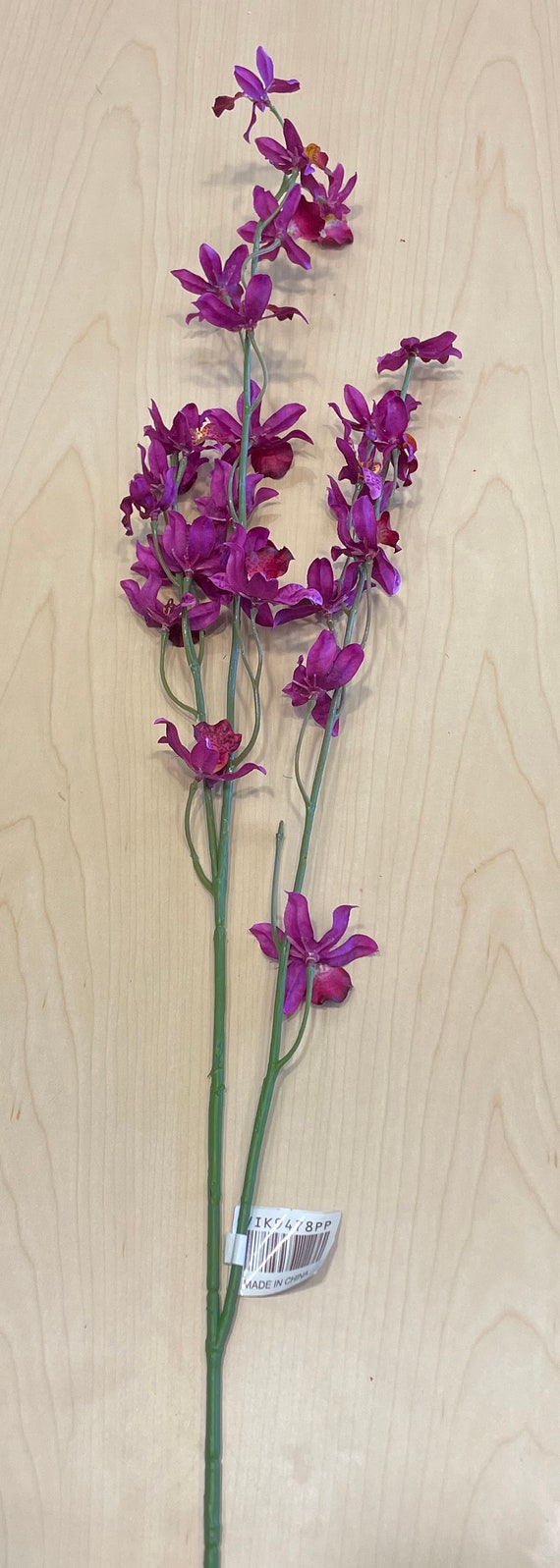


The cheerful Oncidium is nicknamed the “Dancing Lady” because its flowers resemble tiny skirts in motion.
Why it’s unique:
- Produces dozens of small blooms
- Often bright yellow
- Airy, graceful flower sprays
They enjoy bright indirect light and moderate humidity.
5. Vanda – Exotic and Vibrant


The striking Vanda is known for intense blue and purple shades rarely seen in other flowers.
These orchids often grow in hanging baskets with exposed roots.
Best for: Warm climates (great option in many parts of India).
Care basics:
- Strong bright light
- High humidity
- Frequent watering
They’re not the easiest — but incredibly rewarding.
6. Paphiopedilum (Lady Slipper Orchid)


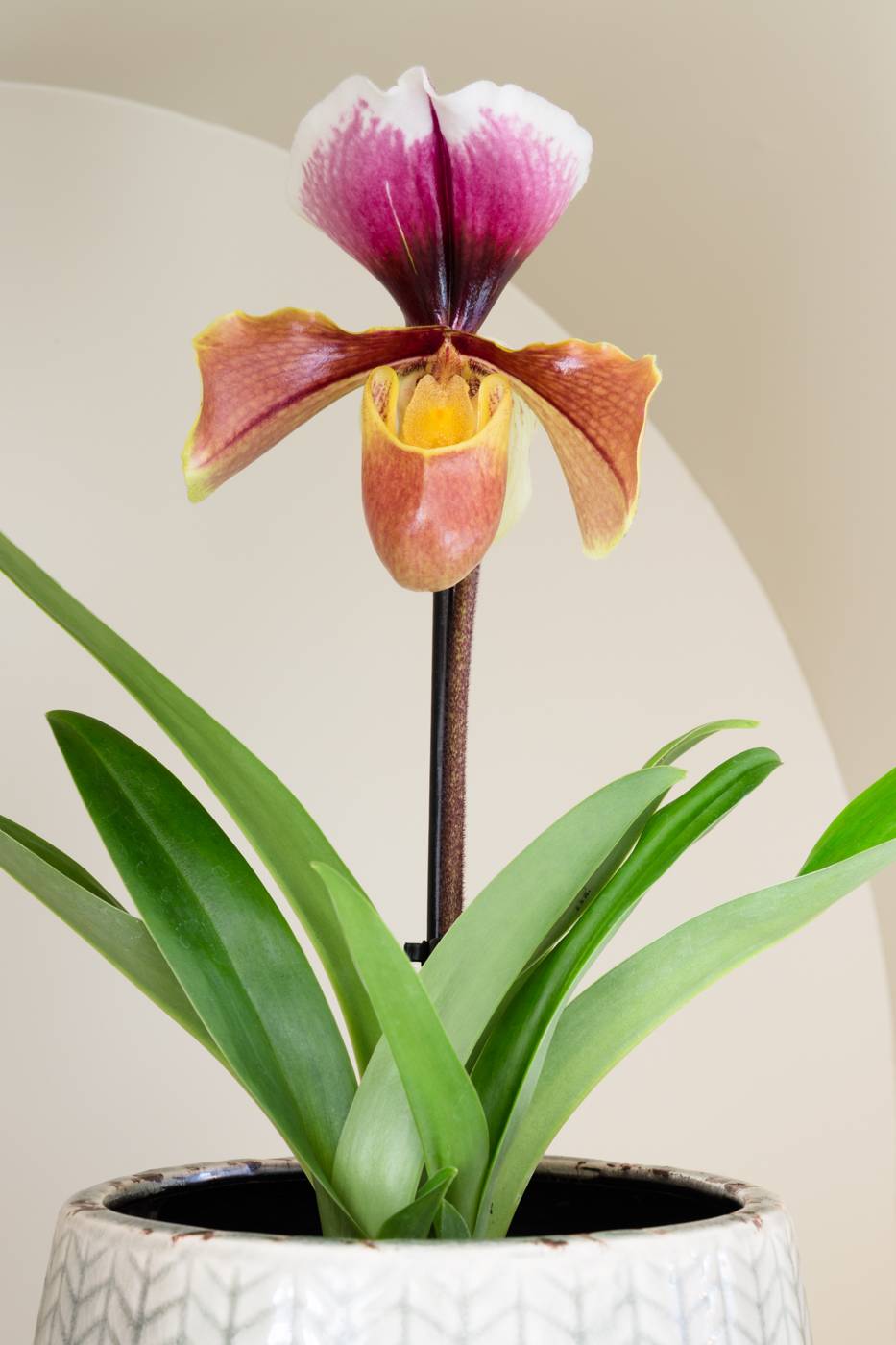
The unusual Paphiopedilum has a pouch-shaped bloom that looks like a slipper.
They tolerate lower light better than many orchids.
Great for apartments with limited sunlight.
7. Cymbidium – Cool Climate Favorite


The elegant Cymbidium produces tall spikes filled with multiple flowers.
They prefer cooler temperatures and bright light.
Perfect if you live in a mild or hill-station climate.
8. Miltonia (Pansy Orchid)


The colorful Miltonia resembles pansy flowers.
They enjoy moderate light and consistent moisture.
9. Ludisia (Jewel Orchid)


Unlike most orchids, the Ludisia is grown more for its stunning foliage than its flowers.
Its dark velvety leaves with red veins make it perfect for decor lovers.
Low light tolerant.
10. Brassia (Spider Orchid)


The unusual Brassia is known as the Spider Orchid because of its long, spindly petals.
The flowers can look almost alien — which is why collectors love them.
Why grow it:
- Unique spider-like flowers
- Often fragrant
- Great conversation plant
Care basics
- Bright indirect light
- Moderate watering
- Good air circulation
11. Epidendrum (Reed Orchid)


The hardy Epidendrum is one of the easiest orchids to grow.
Many varieties produce clusters of bright flowers on tall reed-like stems.
Why beginners like it:
- Tough and adaptable
- Blooms frequently
- Handles warmer temperatures well
12. Coelogyne Orchid


The elegant Coelogyne produces graceful cascading flowers, often in soft white shades.
Some species, like Coelogyne cristata, are known for their delicate fragrance.
They prefer cooler temperatures compared to tropical orchids.
13. Encyclia (Cockleshell Orchid)


The charming Encyclia produces star-shaped flowers that resemble tiny seashells.
These orchids bloom repeatedly throughout the year in good conditions.
Why people grow it
- Long flowering period
- Pleasant fragrance
- Relatively compact plant
14. Bulbophyllum (Unusual Collector Orchid)


The fascinating Bulbophyllum is one of the largest orchid genera in the world.
Many species have extremely unusual flowers.
Some look like jellyfish, while others resemble strange insects.
These orchids are popular among serious collectors.
15. Zygopetalum (Fragrant Orchid)


The beautiful Zygopetalum is loved for its strong fragrance and dramatic colors.
Flowers often feature deep purple and green patterns.
Why gardeners love it
- Strong perfume-like scent
- Long-lasting flowers
- Unique color combinations
How to Choose the Right Orchid Species for Your Home
Here’s a simple guide:
- Low light apartment → Phalaenopsis or Paphiopedilum
- Bright balcony → Cattleya or Dendrobium
- Warm humid region → Vanda
- Cooler climate → Cymbidium
- Foliage lover → Ludisia
Matching the orchid to your environment is 80% of success.
Common Orchid Care Mistakes
- Overwatering (most common killer)
- Using regular potting soil
- Placing in direct harsh sunlight
- Ignoring airflow
Orchids prefer airflow + drainage more than constant moisture.
Final Thoughts
Orchids aren’t fragile — they’re just misunderstood.
Once you understand that different orchid species have slightly different needs, growing them becomes much easier.
If you’re just starting, choose Phalaenopsis. If you want something bold and exotic, try Vanda or Cattleya.
With the right species and simple care adjustments, orchids can bloom year after year — turning your home into a mini tropical escape.


