
Snake’s Head Fritillaries: How to Grow and Care with success
In this guide, I’ll walk you through everything you need to know—from planting to care, plus a few real-world tips gardeners swear by.

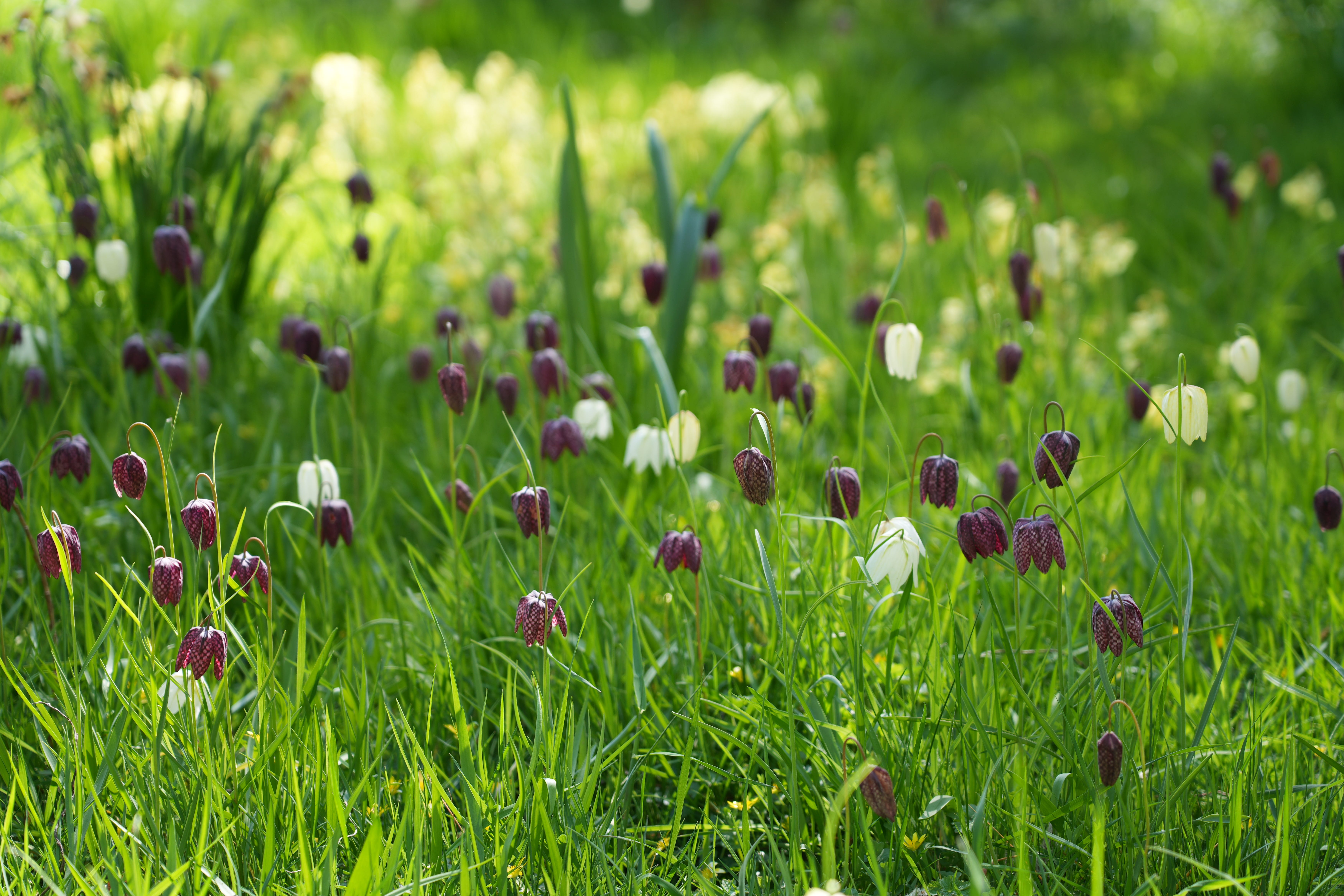
If you’ve ever seen a flower that looks like it’s been hand-painted with a delicate checkerboard pattern, chances are you were looking at a snake’s head fritillary.
These elegant spring bloomers are unlike anything else in the garden. With their nodding, bell-shaped flowers and intricate patterns, they instantly catch attention—yet they’re surprisingly easy to grow once you understand their needs.
What Is a Snake’s Head Fritillary?

The botanical name is Fritillaria meleagris, and it’s native to parts of Europe, especially damp meadows and riverbanks.
It gets its unusual name from the flower’s pattern, which resembles a snake’s skin or a checkerboard.
Key features:
- Bloom time: Early to mid-spring
- Height: 6–12 inches
- Colors: Purple, burgundy, and white (alba variety)
- Flower shape: Nodding, bell-like blooms
- Pattern: Signature checkered design
How to Grow Snake’s Head Fritillaries
1. Planting the Bulbs
- When to plant: Autumn (October–November)
- Depth: About 3–4 inches deep
- Spacing: 3–4 inches apart
👉 Important tip: These bulbs dry out quickly, so plant them as soon as you buy them.
2. Soil Requirements
They prefer:
- Moist but well-drained soil
- Slightly rich, organic soil
Think of conditions similar to a meadow or woodland edge.
3. Sunlight Needs
- Full sun to partial shade
- In warmer climates, partial shade works better
4. Watering
This is where many people go wrong.
Snake’s head fritillaries:
- Like consistent moisture during growth
- But hate waterlogged soil
A good rule: keep soil lightly moist in spring, then reduce watering after flowering.
Real Gardener Insight (That Most Guides Miss)

Many growers notice that fritillaries:
- Take a year or two to establish
- Multiply slowly but steadily
- Look best when planted in groups, not individually
A small cluster looks natural—almost like they just appeared on their own.
Where to Plant Them for Best Results

These flowers shine in:
- Naturalized lawns
- Cottage gardens
- Under deciduous trees
- Along pathways
They create that effortless “wild garden” look that’s trending right now.
Common Problems (And Easy Fixes)

1. Bulbs not flowering
- Often due to dry storage before planting
- Solution: buy fresh bulbs and plant quickly
2. Rotting bulbs
- Caused by heavy, soggy soil
- Fix: improve drainage
3. Disappearing plants
- Normal! They go dormant after blooming
Are Snake’s Head Fritillaries Rare?

They look rare, but they’re increasingly available through garden centers and online bulb suppliers.
However, in the wild, they’re considered special and protected in some regions, which adds to their mystique.
Final Thoughts
If you want a flower that:
- Feels unique
- Looks stunning in photos
- And quietly elevates your garden
Snake’s head fritillaries are a perfect choice.
They’re not loud or flashy—but once they bloom, they’re impossible to ignore.


